
How to Burn Calories with Pleasant Activities
If you’ve ever tried forcing yourself through workouts you don’t enjoy, you already know the problem. You start strong, then slowly stop showing up. That’s exactly what happened to me until I realized something simple: you don’t have to suffer to burn calories.
The real shift comes when you choose activities you actually like. When something feels enjoyable, you do it longer, more often, and with less resistance. Over time, that consistency matters far more than intensity.
Let’s look at practical, real-world ways to burn calories without turning your routine into a chore.
Walking That Doesn’t Feel Like Exercise
Most people struggle with walking for fitness because they treat it like a task. The moment it feels like “I have to do this,” motivation drops. What worked for me was changing the mindset. I stopped calling it exercise and started building it into my routine in a way that felt natural.
Instead of setting a fixed time just to walk, I attached it to things I already do. For example, taking calls while walking, stepping out after meals, or choosing a slightly longer route when going somewhere nearby. These small shifts made a big difference without adding pressure.
Music also helps a lot. Playing something upbeat like Can’t Hold Us by Macklemore naturally increases your pace without you even noticing. You walk faster, stay engaged, and cover more distance.
Another trick is to make it feel like exploration instead of repetition. Change your route, notice your surroundings, or walk in a place that feels refreshing. Even a simple evening walk becomes something you look forward to instead of something you avoid.
If you like tracking progress, apps such as Google Fit can quietly record your steps and activity. Watching your numbers improve over time gives a subtle push to stay consistent.
The goal isn’t to walk perfectly every day. It’s to make walking so easy and enjoyable that you keep doing it without forcing yourself. Over time, those steps add up more than any short, intense workout you can’t stick with.
Dancing Like No One’s Watching
This is one of the easiest ways to burn calories without feeling like you’re “working out.” No schedule, no equipment, no pressure. Just music and movement.
I started doing this on days when I had zero motivation for the gym. Instead of skipping activity completely, I’d play a high-energy track and just move. No routine, no perfect steps. Within five minutes, I’d already be sweating.
Songs make a huge difference here. Something powerful like Titanium by David Guetta or even classics like Uptown Funk by Mark Ronson instantly lift your energy. The beat pulls you in, and your body follows naturally.
The best part is you don’t need to know how to dance. Seriously. Just move in a way that feels right. Jump, sway, step side to side. The goal isn’t to look good, it’s to stay in motion. When you remove that pressure, you actually enjoy it more and end up going longer.
If you want a bit of structure, you can follow short dance workouts on YouTube Music or video platforms. But honestly, free-style dancing often feels more fun and less restrictive.
A small tip that worked well for me: set a timer for 20 minutes and tell yourself you’ll dance until it ends. Most of the time, you won’t even check the clock because you’re too engaged.
Over time, this became my go-to option on low-energy days. It kept me consistent without burning me out. And consistency is what really drives results.
Playing Sports Casually
You don’t need a strict training plan or competitive mindset to get real fitness benefits from sports. In fact, playing casually is often more sustainable because it feels like fun, not pressure.
I got back into weekend cricket with friends just to relax. No scoring, no serious rules. But what surprised me was how active it kept me. Short sprints, quick movements, constant engagement. It easily matched the intensity of a gym session without feeling exhausting.
The same applies to football, badminton, or even a simple game of catch. When you’re focused on the game, you stop thinking about calories, time, or effort. You just play. And because it’s enjoyable, you naturally stay active longer.
Another advantage is variety. Unlike repetitive workouts, sports keep your body guessing. You move in different directions, use different muscles, and improve coordination along the way.
If you want to make it a habit, keep it simple:
pick a day, gather a few friends, and play for 30–60 minutes. No need for perfect conditions or expensive gear.
One thing I learned the hard way: don’t skip warm-ups. Casual doesn’t mean careless. A few minutes of light stretching can save you from soreness or injury later.
If you enjoy tracking your activity, apps like Nike Training Club or Google Fit can give you a rough idea of how much you’re moving. It’s not necessary, but it can be motivating.
At the end of the day, casual sports work because they don’t feel forced. You show up because you want to, not because you have to. And that’s exactly what makes them effective over time.
Active Chores That Actually Count
Most people ignore daily chores when they think about burning calories, but they shouldn’t. If you do them with a bit of intention, they can turn into surprisingly effective physical activity.
I used to treat chores as something to “get done quickly.” But when I started moving with more energy, I noticed I was sweating during simple tasks like cleaning or washing the car. That’s when it clicked, this all counts.
Take cleaning your room, for example. If you’re bending, stretching, lifting, and moving continuously instead of doing it lazily, your body is working the whole time. The same goes for mopping floors or scrubbing surfaces. These movements engage your core, arms, and legs without you realizing it.
Gardening is another underrated one. Digging, planting, carrying pots, all of it requires effort. It’s not just relaxing, it’s physically engaging too.
Even something simple like organizing your space can keep you on your feet for 30–60 minutes. That’s already more movement than most people get in a sedentary day.
If you want to make chores more enjoyable, add music. Playing something energetic like Can’t Hold Us by Macklemore keeps your pace up and makes the whole process feel lighter.
You can also track your activity using apps like Google Fit. It helps you see that even small movements throughout the day add up.
One practical tip: avoid long breaks. The more continuous your movement, the more effective it becomes. Treat it like a light workout instead of stopping after every few minutes.
Active chores won’t replace intense training, but they fill the gaps. And those small efforts, repeated daily, can make a real difference over time.
Cycling for Fun, Not Just Fitness
Cycling becomes much easier to stick with when you stop treating it like a workout and start seeing it as a break from routine. That shift alone made a big difference for me. Instead of forcing myself to “train,” I started riding just to clear my head or explore nearby areas.
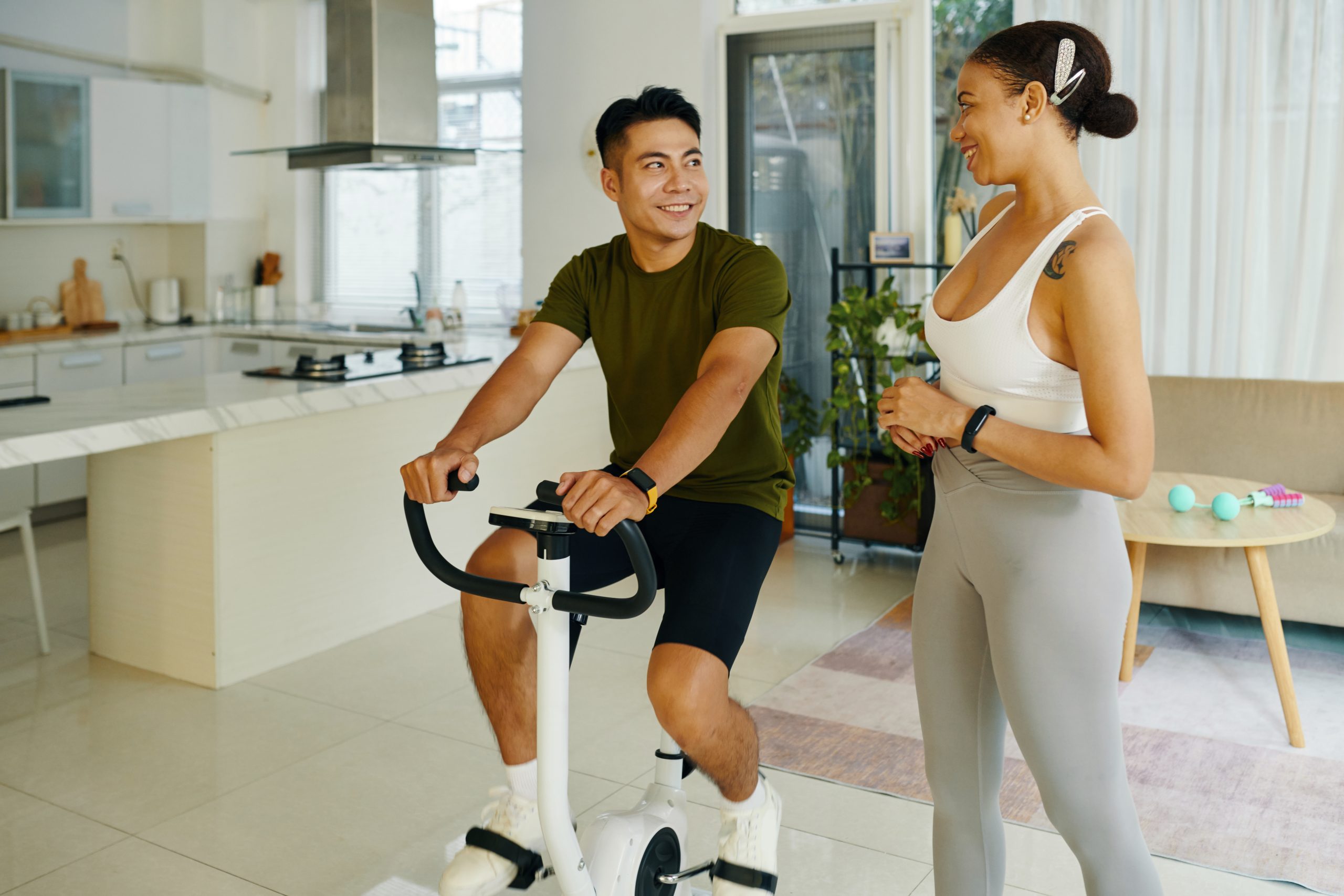
A relaxed ride in the evening can do more than you expect. You’re constantly pedaling, your legs stay active, and your heart rate stays elevated without feeling overwhelming. Because it feels enjoyable, you naturally go longer than you would on a stationary bike.
One thing that helped me stay consistent was choosing routes that felt interesting. Sometimes I’d ride through quieter streets, other times toward open areas where the air felt fresher. Changing the environment keeps it from getting repetitive.
Music can also make the ride smoother. Playing something energetic like Titanium by David Guetta keeps your rhythm steady and your energy up, especially during longer rides.
If you like tracking progress, apps such as Strava or Google Fit can show your distance, speed, and time. It’s not necessary, but seeing improvement over time can be motivating.
A small tip that made cycling more enjoyable for me: don’t focus on speed. Focus on consistency. Even a 20–30 minute easy ride done regularly is more effective than pushing too hard once and then skipping days.
Cycling works best when it feels like freedom, not pressure. Once you reach that point, it becomes something you look forward to instead of something you try to avoid.
Using Fitness Apps to Stay Consistent
Staying consistent is usually the hardest part of any fitness journey, not the workouts themselves. Most people start with energy, then slowly lose track after a few days or weeks. I’ve been there too. What helped me stabilize my routine was not motivation, but simple tracking through fitness apps.
The idea is not to become obsessed with numbers. It’s to create awareness. When you can see your steps, activity time, or workouts clearly, it becomes harder to ignore your progress.
One of the simplest tools I started with was Google Fit. It runs quietly in the background and tracks daily movement without needing much setup. Just seeing your step count increase naturally pushes you to move a bit more during the day.
For structured workouts, Nike Training Club is a solid option. It offers guided sessions, from beginner level to more advanced routines. The best part is you don’t need to think too much, just pick a workout and follow along.
Another app that works really well for outdoor activity is Strava. It tracks cycling, walking, and running in detail. What makes it interesting is the progress history. You can actually see how your distance or pace improves over time.
What I learned using these apps is that consistency grows when effort feels visible. Even on low-energy days, I’d try to at least hit a small step goal. That kept the habit alive, even if the workout itself wasn’t intense.
A practical approach is to keep goals simple:
don’t aim for perfection, aim for repetition. For example, just 20–30 minutes of movement a day, tracked lightly, is enough to build momentum.
Over time, these small inputs add up. And once you see progress stacking week after week, staying active starts to feel less like a struggle and more like a routine you naturally follow.
Small Habit That Made a Big Difference
When people talk about fitness, they usually focus on big changes like strict diets or intense workout plans. But in my experience, the real progress came from something much smaller and easier to maintain.
The habit that changed everything for me was simply spreading movement throughout the day instead of relying on one “perfect workout.”
Instead of waiting for a full gym session, I started doing small things consistently. Walking a bit after meals, stretching during breaks, or doing a few bodyweight moves while waiting for work to finish loading. It didn’t feel like training, but it kept me active all day.
At first, I didn’t think it would matter. It felt too small to make any real difference. But after a few weeks, I noticed I was naturally moving more without forcing it. My energy improved, and I wasn’t feeling stiff or tired as often.
Another small change that helped was pairing movement with things I already enjoy. For example, listening to music or podcasts while walking or doing light activity. A track like Lose Yourself by Eminem can easily turn a simple walk into something more energetic and focused.
I also started using Google Fit just to keep an eye on my daily movement. Not to obsess over it, just to stay aware. Seeing small numbers add up over time was surprisingly motivating.
What really stood out was this: consistency doesn’t come from doing more, it comes from doing things so small that you can’t easily skip them.
A short walk, a few stretches, a quick clean-up, or a few minutes of movement between tasks. None of it feels like effort in the moment, but together it creates a strong foundation.
The biggest lesson here is simple. You don’t need dramatic changes to improve your fitness. You just need small habits that you can actually stick with on your worst days.
What Most People Get Wrong
Most people don’t fail at fitness because they lack effort. They fail because they start with the wrong expectations and approach it in a way that’s too rigid to maintain.
One of the biggest mistakes is thinking fitness only “counts” when it’s intense. If it’s not a hard gym session, they assume it’s useless. That mindset creates pressure, and pressure usually leads to quitting. In reality, consistent light activity often beats occasional intense workouts.
Another common mistake is relying on motivation. People wait to “feel ready” before they start. But motivation is unstable. Some days it’s there, most days it isn’t. The people who actually stay consistent build habits that don’t depend on mood.
I used to fall into this trap myself. I would plan perfect workout days, then skip them if I wasn’t fully energized. Once I shifted to simpler habits like walking or short home sessions, things became easier to sustain.
A lot of people also overcomplicate their routine. Too many exercises, too many rules, too much planning. When something feels complicated, it becomes easy to avoid. Simplicity is what keeps you going.
Another issue is ignoring “small movement.” People think only structured workouts matter, but everyday activity plays a huge role. Walking, cleaning, taking stairs, or even standing more during the day all add up over time.
Apps like Google Fit or Strava make this visible. When you actually see your daily movement, you realize how much progress comes from small actions.
The final mistake is expecting quick results. When progress is slow, people lose interest. But fitness doesn’t work in short bursts. It’s built through repetition over time, not sudden effort.
The real shift happens when you stop trying to do everything perfectly and start focusing on what you can repeat easily every day. That’s where real change begins.
A Simple Way to Start Today
Most people think starting fitness requires a full plan, new gear, or a perfect schedule. That’s usually what stops them before they even begin. The truth is much simpler: you just need to start moving in a way that feels easy enough to repeat tomorrow.
If I had to break it down into something practical, I’d say this: don’t aim for a “workout day.” Aim for a “movement day.”
Start with something small like a 20–30 minute walk. Nothing intense, nothing complicated. Just step outside, move at your own pace, and let your body warm up naturally. If walking feels boring, add music or a podcast. A high-energy track like Stronger by Kanye West can easily make the time pass faster and keep your energy up.
If walking outside isn’t possible, do it indoors. Walk around your space, climb stairs, or simply keep moving while doing small tasks. The goal is not perfection, it’s consistency.
Another simple option is short bodyweight movement. A few squats, light stretching, or even just moving between activities during the day. It doesn’t need to feel like exercise. It just needs to keep your body active.
If you want a bit of structure without pressure, you can use Google Fit to track steps or general activity. Seeing your movement count slowly build up creates quiet motivation without forcing anything.
The most important part is not overthinking it. Don’t wait for the “right time” or a perfect routine. Just choose one small action and do it today. Then repeat it tomorrow.
Once that becomes normal, everything else gets easier to build on.
Final Thought
Fitness doesn’t really come down to doing the hardest workouts or following perfect plans. It comes down to what you can keep doing without quitting after a few days.
When movement becomes part of your normal routine, not something you “force,” everything changes. You stop starting over again and again, and instead you just keep going.
It can be as simple as a daily walk, a bit of dancing, casual sports, or just staying more active during the day. Small things, repeated often, create the real progress most people are looking for.
The key is to keep it simple enough that you don’t need extra motivation every time. When it fits naturally into your life, staying active stops feeling like a task and starts feeling normal.